Class 11 Chemistry Chemical Bonding & Molecular Structure – Complete Guide
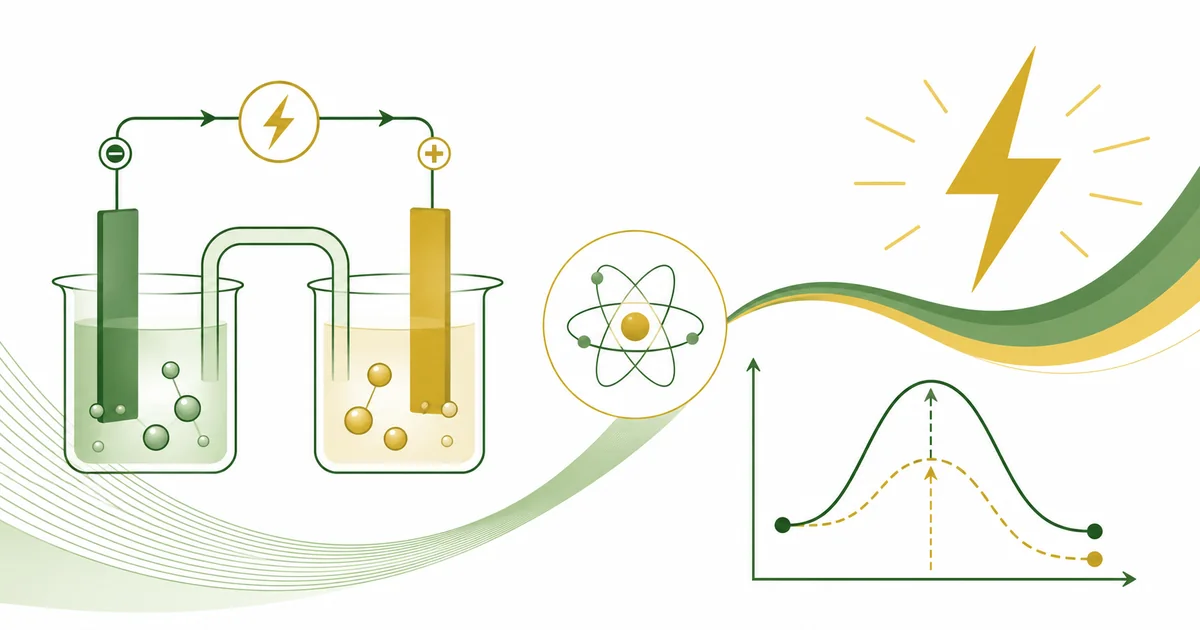
Chemical Bonding woh chapter hai jahan Class 11 Chemistry ke bahut se students do camps mein bat jaate hain — ek woh jinko yeh sabse interesting lagta hai, aur ek woh jinke liye yeh 'shapes aur diagrams ka jungle' ban jaata hai. Sach yeh hai ki yeh chapter ratne ka nahi, samajhne ka hai. Ek baar logic clear ho gaya, toh aap kisi bhi molecule ki shape aur bonding khud predict kar paoge.
Iss guide mein hum ionic bond se lekar Molecular Orbital Theory tak, har concept ko ek teacher ki tarah simple bhaasha mein khol rahe hain — aur saath mein yeh bhi bata rahe hain ki board exam mein kya-kya repeat hota hai.
Class 11 Chemistry ka Chemical Bonding chapter samajhne ka sabse aasan tareeka hai teen step: pehle Lewis structure banao, phir VSEPR se shape nikalo, phir hybridisation. Steric number (bonded atoms + lone pairs) se hybridisation pata chalti hai. Board mein shapes, hybridisation aur MOT bond order sabse zyada aate hain. Free demo: 096671 22571.
- Ionic vs covalent bond
- Lewis structures & octet exceptions
- VSEPR — molecule ki shape
- Hybridisation (sp, sp², sp³…)
- MOT, bond order & H-bonding + mistakes + FAQs
Bond Banta Kyun Hai — Ionic Aur Covalent
Har atom stable banna chahta hai (noble gas configuration). Iske do main tareeke:
- Ionic bond: ek atom electron deta hai, doosra leta hai (jaise NaCl). Metal + non-metal. Lattice energy jitni zyada, bond utna strong.
- Covalent bond: dono atom electron share karte hain (jaise H₂, Cl₂). Non-metal + non-metal.
Fajans' rules batate hain ki ionic bond mein kitna covalent character aata hai — chhota cation aur bada anion covalent character badhaate hain. Yeh 1-2 mark ka question bana leta hai.
Lewis Structures Aur Octet Ke Exceptions
Lewis structure banana pehla step hai — valence electrons count karo, bonds banao, lone pairs dikhao. Octet rule (8 electrons) mostly chalta hai, but exceptions yaad rakho:
- Incomplete octet: BeCl₂ (4), BF₃ (6)
- Expanded octet: SF₆ (12), PCl₅ (10) — 3rd period ke baad d-orbitals available
- Odd electron: NO, NO₂
VSEPR Theory — Molecule Ki Shape
VSEPR ka simple funda: electron pairs ek doosre ko repel karte hain, isliye woh maximum distance pe rehna chahte hain — isi se shape banti hai. Lone pairs zyada repel karte hain, isliye woh angle thoda kam kar dete hain.
- 2 pairs → Linear (180°) — CO₂
- 3 pairs → Trigonal planar (120°) — BF₃
- 4 pairs → Tetrahedral (109.5°) — CH₄
- Lone pair effect: NH₃ → pyramidal (107°), H₂O → bent (104.5°)
Hybridisation — Ek Trick Se Poora Chapter
Hybridisation nikalne ka sabse aasan tareeka — steric number = (kitne atoms bond mein) + (kitne lone pairs). Bas:
- SN 2 → sp (linear, 180°)
- SN 3 → sp² (trigonal planar, 120°)
- SN 4 → sp³ (tetrahedral, 109.5°)
- SN 5 → sp³d (trigonal bipyramidal)
- SN 6 → sp³d² (octahedral)
Yeh ek line ki trick board ke aadhe questions solve kar deti hai. Grow Up Classes mein hum isi ko 20+ molecules pe practice karvate hain jab tak yeh reflex na ban jaaye.
Molecular Orbital Theory (MOT) Aur Bond Order
MOT tab kaam aati hai jab Lewis/VSEPR fail ho jaate hain — jaise O₂ ka paramagnetic hona. Yahan atomic orbitals mil ke bonding aur antibonding molecular orbitals banate hain.
- Bond order = (Nb − Na)/2 (bonding − antibonding electrons)
- Bond order zyada → bond strong, bond length kam
- O₂ → 2 unpaired electrons → paramagnetic
- N₂ → saare paired → diamagnetic, bond order 3
Hydrogen Bonding Aur Dipole Moment
Hydrogen bonding tab banti hai jab H, kisi highly electronegative atom (F, O, N) se juda ho — isi wajah se H₂O ka boiling point itna high hai. Dipole moment (μ) polarity batata hai — symmetrical molecules (CO₂) ka net dipole zero hota hai, jabki H₂O ka nahi. Yeh comparison board mein aksar aata hai.
Common Mistakes
- Shape aur hybridisation ko alag-alag ratna — dono steric number se juda hota hai, ek saath samjho.
- Lone pairs ignore karna shape decide karte waqt (NH₃ tetrahedral nahi, pyramidal hai).
- MOT ka order galat likhna — O₂ tak aur O₂ ke baad order alag hota hai.
- CO₂ ko polar maan lena — bonds polar hain but shape linear hai, net dipole zero.
Frequently Asked Questions
Chemical Bonding kaise padhein taaki yaad rahe?
Ratna band karo — samajh ke padho. Pehle Lewis structure banana seekho, phir VSEPR se shape, phir hybridisation. Ek baar logic samajh gaye toh naye molecules ki shape khud predict kar paoge. Har molecule ke saath diagram banao.
Hybridisation kaise pata karein?
Steric number = (bonded atoms + lone pairs). 2 = sp, 3 = sp², 4 = sp³, 5 = sp³d, 6 = sp³d². Yeh ek trick pura chapter aasan bana deti hai.
O2 paramagnetic aur N2 diamagnetic kyun hai?
MOT ke hisaab se O₂ mein do unpaired electrons hote hain (antibonding π* orbitals mein), isliye paramagnetic. N₂ mein saare electrons paired hain, isliye diamagnetic.
Class 11 Chemistry coaching Burari mein kahan best hai?
Grow Up Classes, Block B, Sant Nagar, Burari, Delhi 110084 — concept-first teaching, har shape aur hybridisation diagram ke saath, small batches aur weekly tests. Free demo: 096671 22571.
Book a FREE Class 11 Chemistry Demo
Sant Nagar, Burari · Mon–Sat 9 AM–9 PM · Call or WhatsApp 096671 22571
💬 WhatsApp a Demo